
Account
Country
Gifting
Shop By Gauge
Shop By Material
Accessories

Rook piercings have taken the ear adornment world by storm, known for their distinctive and stylish appearance. Whether you're contemplating getting a rook piercing or already have one, having the right sizing information is crucial for a comfortable and aesthetically pleasing outcome. In this comprehensive guide, we'll walk you through all the details you need to know about rook piercing sizes, covering everything from jewellery choices to tips for a smooth healing process.
Before we delve into sizing specifics, let's acquaint ourselves with the anatomy and placement of the rook piercing. The rook refers to the ridge of cartilage situated above the tragus and nestled snugly in the inner part of the ear. This unique placement offers an alluring and one-of-a-kind canvas for a variety of creative jewellery options.
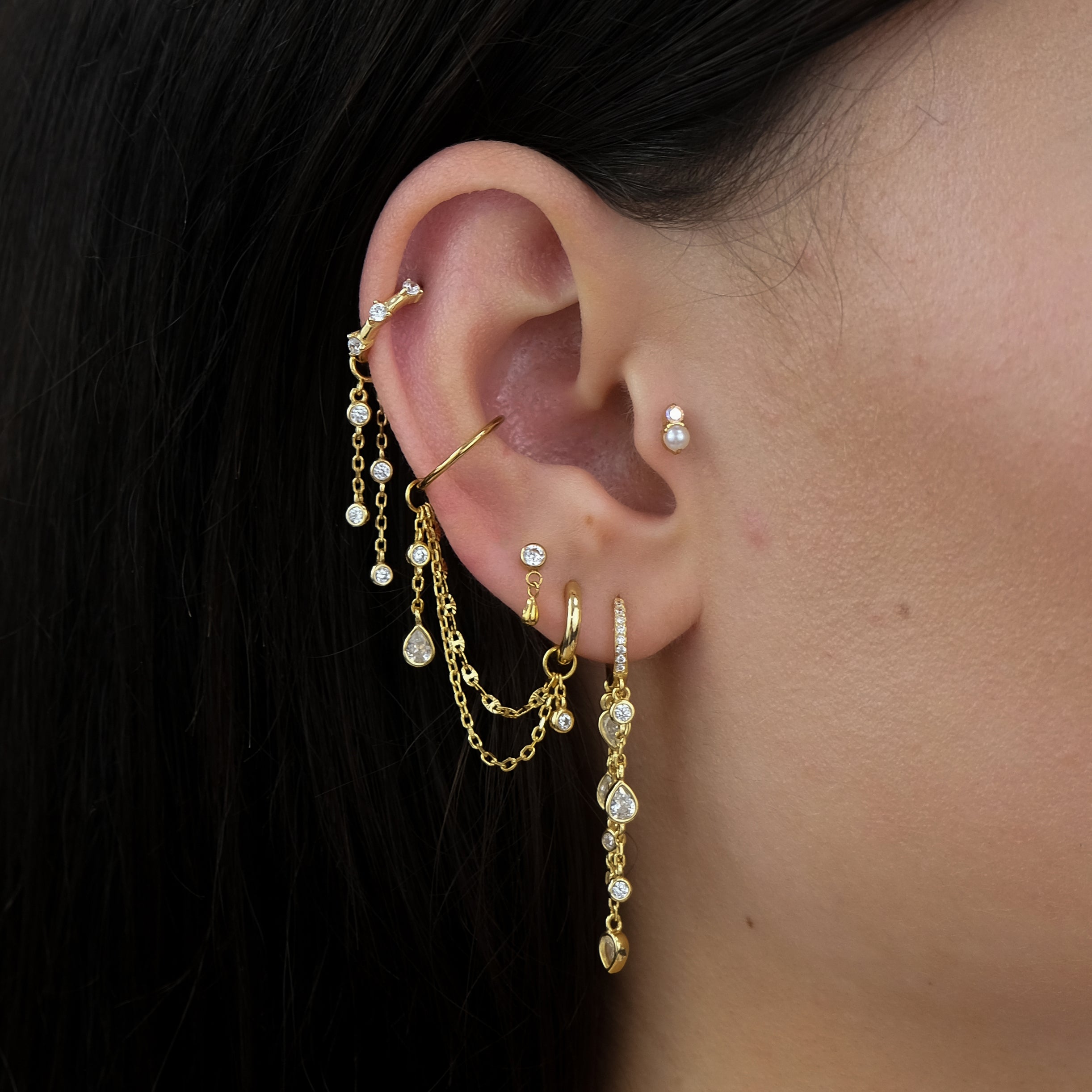
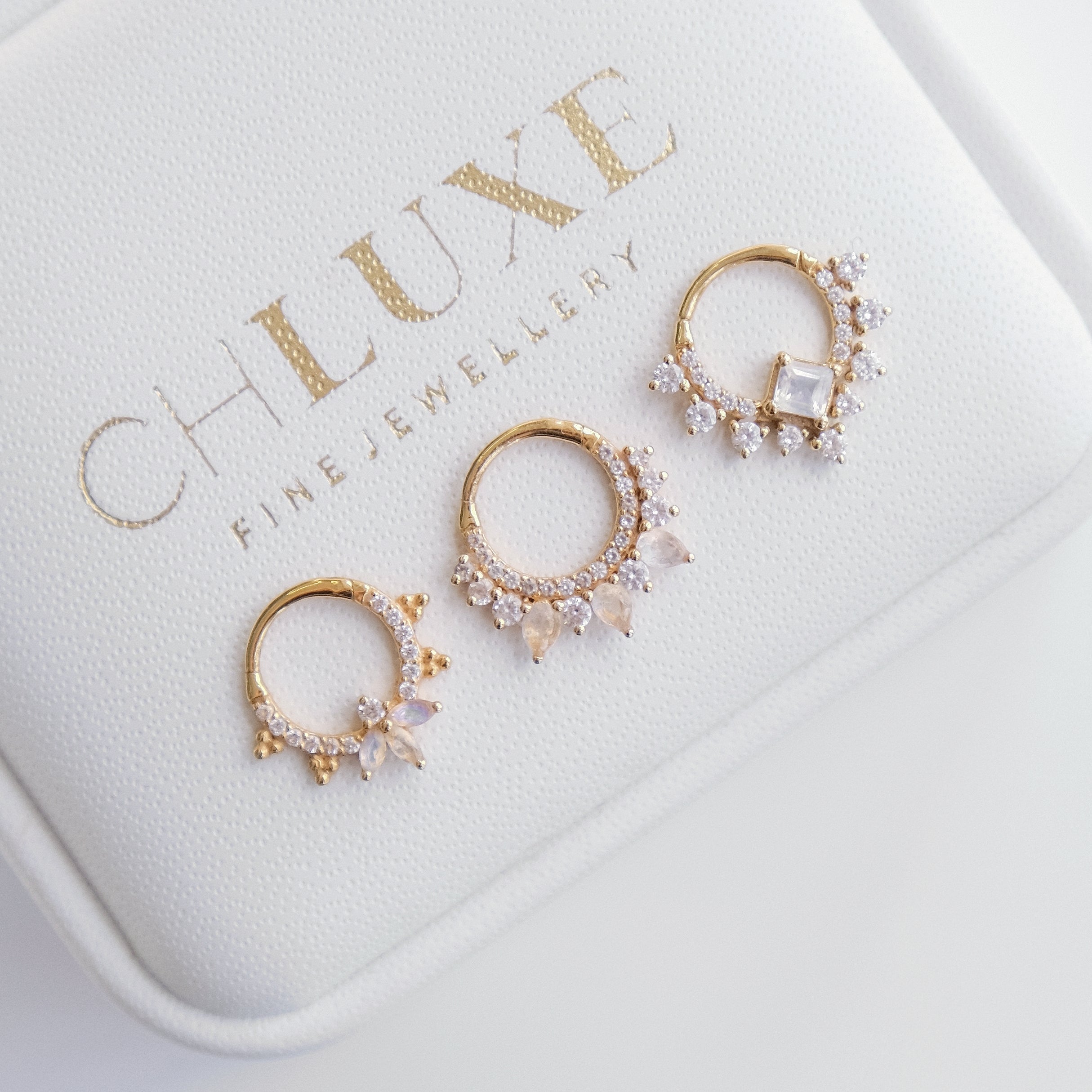
Rook piercings offer an extensive range of jewellery choices to cater to various styles and preferences. Here are some popular options:
Choosing the perfect piece of jewellery for your rook piercing involves a few key considerations, with slight differences between selecting a barbell and a hoop. Let's take a closer look at these factors:
Rook Barbells:
Remember, the perfect piece of jewellery should strike a balance between aesthetics and comfort, aligning with your unique style while ensuring a happy, healthy rook piercing. With these sizing considerations in mind, you're well on your way to finding the ideal adornment for your rook piercing!
Proper healing is vital for a successful rook piercing. The initial jewellery used for the piercing should accommodate swelling, but downsizing the jewellery to a shorter or smaller diameter is recommended as the healing progresses. Consult with your piercer for guidance on the appropriate timing for downsizing and selecting the ideal jewellery for your personal anatomy.
Achieving the perfect fit for your rook piercing involves a thoughtful and informed approach. By understanding the anatomy of your ear, selecting the appropriate gauge size, and choosing jewellery that reflects your personal style, you can ensure a comfortable aesthetic piercing.
However, we advise you to seek guidance from a professional piercer as they will be able to advise you depending on your unique anatomy and preferences.
Explore our full collection of earrings perfect for your rook
A rook piercing is a perforation of the antihelix of the ear for the purpose of inserting and wearing a piece of jewellery. It's located above the tragus on the ridge between the outer and inner conch.
Pain perception varies from person to person, but most describe the feeling as a brief, intense pinch. Some tenderness might be present during the healing process.
Typically, a rook piercing may take between 6 to 12 months to fully heal, but this can vary based on individual healing rates.
Regularly cleaning your rook piercing with saline solution is recommended. Refrain from unnecessary twisting or over-cleaning to avoid irritation.
Starting with a curved barbell is generally advised for rook piercings to promote optimal healing. A hoop can be considered once the piercing is entirely healed.
Rook piercing complications can encompass infection, keloids, migration of the piercing, or allergic reactions to the jewellery.
Signs of an infection include persistent redness, unusual warmth, continuous pain, unusual discharge, and swelling. If an infection is suspected, consult your piercer.
It's recommended not to sleep on the side with your rook piercing during its healing phase to avoid irritation and potential issues. Using a travel pillow can be helpful during this period.
Wait until your rook piercing has fully healed, which might be between 6 to 12 months, before attempting to change the jewellery.
The usual gauge for a rook piercing is 16G, though diameter and length can vary based on individual preferences and anatomy.
A rook piercing is generally done using a 16-gauge needle. However, some piercers might opt for different gauges (e.g. 14G or 18G) based on client preference or anatomical requirements.
After your rook piercing has fully healed, a ring size between 8mm to 10mm typically works well, but the ideal size can vary depending on individual anatomy.
For the initial rook piercing, a bar ranging from 6mm to 8mm is commonly used to account for swelling. Adjustments might be necessary as healing progresses.
Choosing the right bar size for your rook piercing is crucial for comfort and aesthetics. Consult your piercing professional, consider the current stage of healing, visit a reputable piercing studio, or measure your existing jewellery for guidance.
Using a standard earring for a rook piercing isn't typically recommended. The gauge, length, and material might not be ideal, potentially leading to complications or discomfort. Consult a piercing professional before making any changes.
Starting with a curved barbell made of titanium or surgical steel is often recommended for rook piercings. These materials are known for being hypoallergenic and causing less irritation.
Over-the-ear headphones are usually more comfortable while your rook piercing is healing. It's best to avoid in-ear headphones during the early healing stages to minimise irritation.